Fryeburg Water District
  • Home
  • Board Members
  • News Updates
  • Hydrology / Maps
  • Well / Water Surveys
  • Meeting Minutes & Annual Reports
  • Calendar
  • Charter
  • Aquifer Monitoring Reports
  • Tour of MaineWater Facilities Part 1--The Tour
  • Tour of MaineWater Managed Fryeburg Facilities Part 2, Questions and Considerations
  • Candidate Forum Speeches
  • Candidate Forum Speeches

Could this be the future in Fryeburg?

5/25/2017

3 Comments

 
Picture
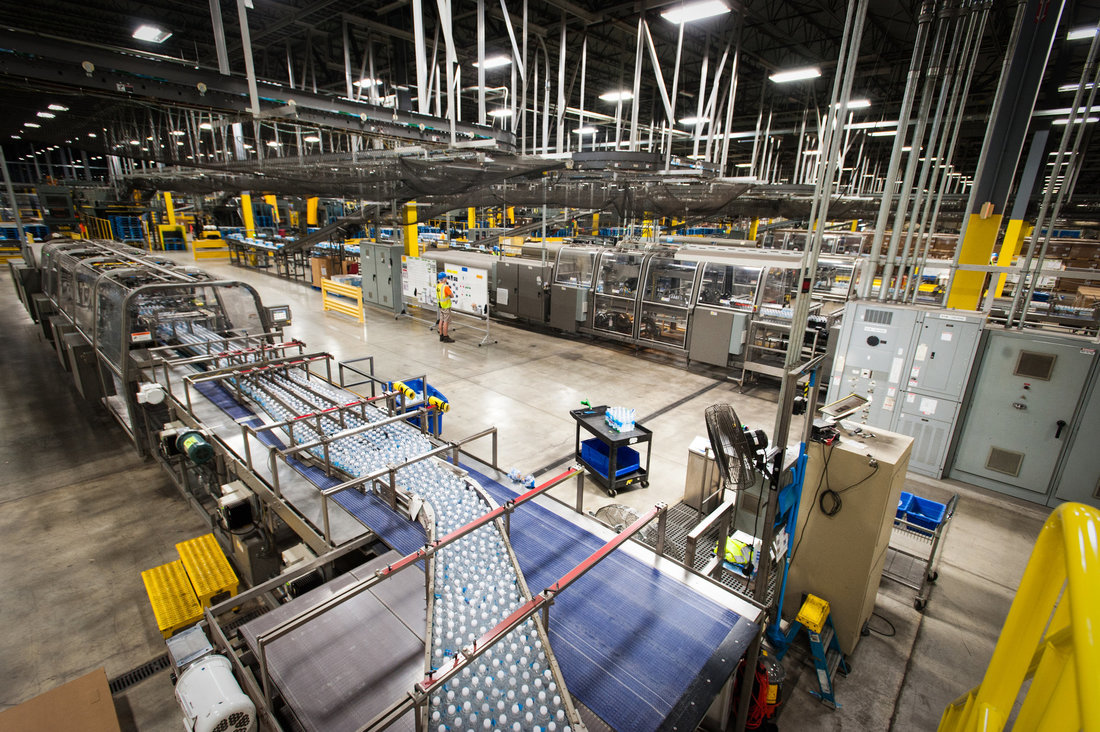
A Nestlé bottled water factory in Stanwood, Mich., produces up to 1,200 bottles a minute and is served by seven nearby wells drawing up to 250 gallons of spring water a minute.
​
CreditGary Howe for The New York Times  
​
EVART, Mich. — The creek behind Maryann Borden’s house was once “a lovely little stream that just babbled along and never changed for decades,” she says. Now it is perhaps 12 feet across — half what it was, she reckons — with grassy islands impeding what used to be an uninterrupted flow.
“What happened?” Ms. Borden asked. “Nestlé happened. That’s what I think.” A lot of her neighbors think so, too.
Read more at:  https://www.nytimes.com/2017/05/24/business/nestle-michigan-water.html

3 Comments
Radon Remediation Oregon link
11/5/2022 06:36:01 pm

Great reeading your blog

Reply
tophatters.co link
4/17/2026 05:41:59 am

This is a striking example of how something that seems abundant—like water—can quickly become a source of tension when usage scales beyond what a local ecosystem can sustain.

What stands out most in this story is the contrast between perception and impact. On paper, pumping water from wells may look controlled and regulated. But on the ground, for residents like Maryann Borden, the changes are visible and deeply personal. A stream that “never changed for decades” suddenly narrowing and slowing isn’t just an environmental statistic—it’s a lived experience. And that disconnect between policy and perception is often where these conflicts begin.

The scale of extraction is also hard to ignore. When you read figures like hundreds of gallons per minute or thousands of bottles per minute, it forces a bigger question: at what point does commercial use begin to compete with natural balance? Water systems are interconnected, and even when withdrawal is technically permitted, the long-term effects on nearby streams, wetlands, and groundwater levels can be difficult to fully predict—or reverse.

There’s also a broader issue here around ownership and stewardship. Water is a shared resource, yet situations like this can make it feel privatized, especially when local communities perceive that their environment is changing to support commercial output. Whether or not the direct cause is fully proven, the loss of trust becomes just as significant as the environmental concern itself.

What this story highlights is the need for more transparent monitoring and stronger community involvement. People who live closest to these ecosystems often notice changes first, and their observations should be part of the conversation—not dismissed as anecdotal. Data matters, but so does local knowledge.

Ultimately, this isn’t just about one company or one town. It’s about how we balance economic activity with environmental sustainability, especially when it comes to essential resources like water. Once those systems are altered, the consequences can last far longer than the benefits.

Stories like this are important because they remind us that “resource management” isn’t abstract—it shows up in backyards, in streams, and in the everyday lives of people who depend on them.

Reply
joyfulpink.com link
4/17/2026 05:42:29 am

This piece highlights a tension that’s becoming harder to ignore: the gap between industrial scale and local reality.

On one hand, a bottling facility producing thousands of bottles a minute sounds like efficiency and economic activity. On the other, you have residents like Maryann Borden watching a familiar landscape quietly change over time. That contrast is what makes this story so compelling. It’s not just about numbers—it’s about noticing when something that felt stable for decades no longer behaves the same way.

What’s especially interesting is how subtle these changes can be at first. A stream gets a little narrower. The flow feels slower. Small shifts that might not raise alarms immediately, but over time, they add up to something undeniable for the people who live there. By the time concerns become widespread, the situation is already complex and difficult to untangle.

There’s also a bigger question here about scale. Natural systems operate on long timelines and delicate balances, while industrial operations move fast and at volume. Even when regulations are followed, it doesn’t always mean the outcome aligns with what a community experiences day to day. That’s where friction tends to grow—not just around environmental impact, but around trust.

Another layer is how these situations are communicated. Companies rely on data, permits, and studies. Residents rely on observation and lived experience. When those two perspectives don’t align, it can feel like people are being asked to doubt what they see with their own eyes.

What this story seems to underscore is the importance of ongoing accountability. Not just initial approvals, but continuous monitoring, open dialogue, and a willingness to adjust if unintended consequences appear. Because once local ecosystems begin to shift, restoring them isn’t always simple—or even possible.

In the end, it raises a broader reflection: resources like water may be shared in theory, but how they’re used—and who feels the impact—can be very uneven in practice.

Reply


Leave a Reply.

    Author

    Water District Trustees

    Archives

    August 2022
    January 2020
    January 2019
    November 2018
    September 2018
    April 2018
    February 2018
    July 2017
    May 2017
    March 2017
    January 2017
    October 2016
    August 2016
    March 2016
    February 2016
    December 2015

    Categories

    All

    RSS Feed

Proudly powered by Weebly